A Homeowner’s Guide to Lawn Fertilization in Michigan
A healthy, green lawn doesn’t happen by accident. If you’re a homeowner in Michigan, understanding lawn fertilization is one of the most important steps you can take to improve your turf. This guide breaks it down in simple terms—what fertilizer does, when to apply it, and how to get the best results.
Understanding Fertilizer Basics (N-P-K)
Every fertilizer bag lists three numbers, such as 20-5-10. These represent:
- Nitrogen (N): Promotes green growth (most important for lawns)
- Phosphorus (P): Supports root development
- Potassium (K): Improves stress tolerance and overall health
For most established Michigan lawns, nitrogen is the primary nutrient needed regularly, while phosphorus is often unnecessary unless a soil test shows a deficiency.
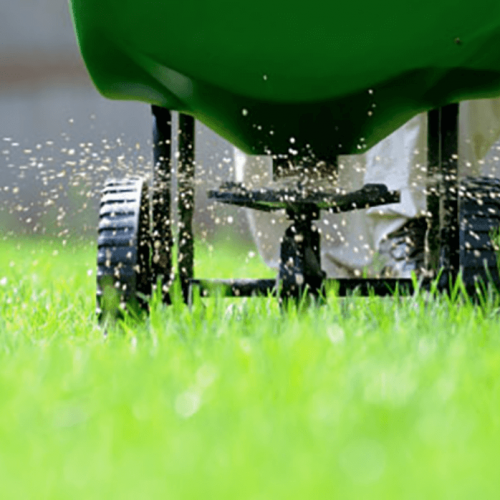
Why Lawn Fertilization Matters
The short answer? Proper lawn fertilization helps with:
- Thicker, greener grass
- Stronger root systems
- Better resistance to weeds and disease
But the full answer: Lawn fertilization is the foundation for a healthy lawn. It’s one of the most important parts of maintaining a healthy lawn year-round. Your grass needs fertilizer in the same way that we need food. Over time, lawns lose nutrients due to mowing, weather, and foot traffic. Fertilizing your lawn gives grass the nutrients it needs to grow thick, green, and strong. It also helps grass recover from stress, improve density, and reduce erosion.
When to Fertilize Your Lawn in Michigan
Michigan lawns are typically made up of cool-season grasses like Kentucky bluegrass and fescue. These grasses grow best in cooler temperatures. According to Michigan State University Extension, your fertilization plan should match your lawn goals and maintenance level.
Recommended Fertilization Schedule:
- Early Spring (April–May): Light feeding to kickstart growth
- Late Spring/Early Summer: Optional, depending on lawn health
- Late Summer/Fall (Sept–Oct): Most important applications
- Late Fall: Helps strengthen roots before winter
Fall is especially important because it promotes root growth and prepares your lawn for the next season.
How to Fertilize Your Lawn the Right Way
Applying fertilizer correctly is just as important as choosing the right product. Here are some best practices to follow:
- Start with a soil test: Know what your lawn actually needs
- Use slow-release fertilizer: Provides steady nutrients over time
- Apply evenly: Avoid streaks and patchy growth
- Water after application: Helps nutrients absorb into the soil
- Sweep excess fertilizer off hard surfaces: Prevents runoff into waterways
Improper fertilization can lead to wasted product, lawn burn, or environmental issues.
Should You Hire a Professional Lawn Care Service?
While DIY fertilization is possible, it can be time-consuming and tricky to get right. A professional lawn care service in Michigan will take the guesswork out of it. At ExperiGreen & Top Lawn, we understand the soil conditions, seasonal timing, and proper application rates. We offer fertilization and weed control, lawn aeration, tree and shrub care, and more. With a local lawn service, you can avoid costly mistakes, expect consistent, reliable results, and get your weekends back.
Lawn fertilization acts as the “healthy diet” for your lawn, and we can be the nutritionist. Since 2001, we’ve provided lawn care for Michigan homeowners in Auburn Hills, Wixom, Westland, and surrounding areas. Contact us today to get a free quote!